


La guía completa para descubrir La Rioja Media Rural

La Rioja Media is the central part of the region which is located between Upper Rioja y Lower Rioja, siendo Logroño el epicentro de zona.

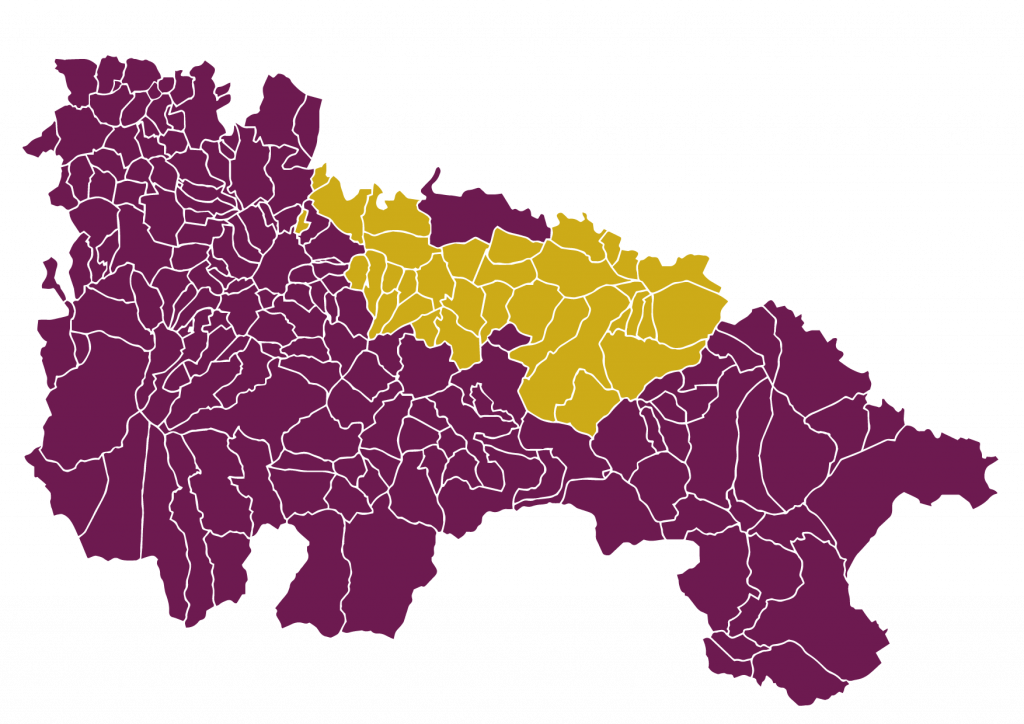
Below, you will find a list of the most emblematic places La Rioja Rural Middle Rioja valley, la cual está compuesta por 31 municipios, incluyendo el valle de Ocón, y excluyendo Logroño y the Sierra de Cameros.

La Rioja Media Mapa

Discover the premium rioja

GUÍA PARA DESCUBRIR LA RIOJA MEDIA

1. CASTILLOS QUE VISITAR EN LA RIOJA MEDIA

In La Rioja Media we find up to 7 castles which were once of great importance as they were located on the border.

However, today, in most cases, only the ruins of what they once were remain. Visiting them is a journey into the past that will not leave you indifferent.

1.1. Castillo de Clavijo

Clavijo Castle is pre-10th century It is unclear whether it was built by the Christians or the Arabs. Today only a few walls remain.

It was in the vicinity of this fortress that the mythical Battle of Clavijo of the Christian reconquest led by King Ramiro I of Asturias against the Muslims, on 23 May 844, and in which the Apostle James appeared on his white horse.

As usual, the fortress was erected in a strategic location. on a big rock which is currently used for climbing.

Ruins of the Monastery of San Prudencio de Monte Laturce

In the village of Clavijo itself, and accessing it from a dirt road, you arrive at the ruins of the Monastery of San Prudencio 10th century.

1.2. Castillo de Aguas Mansas en Agoncillo

Pueblos cerca de Logroño

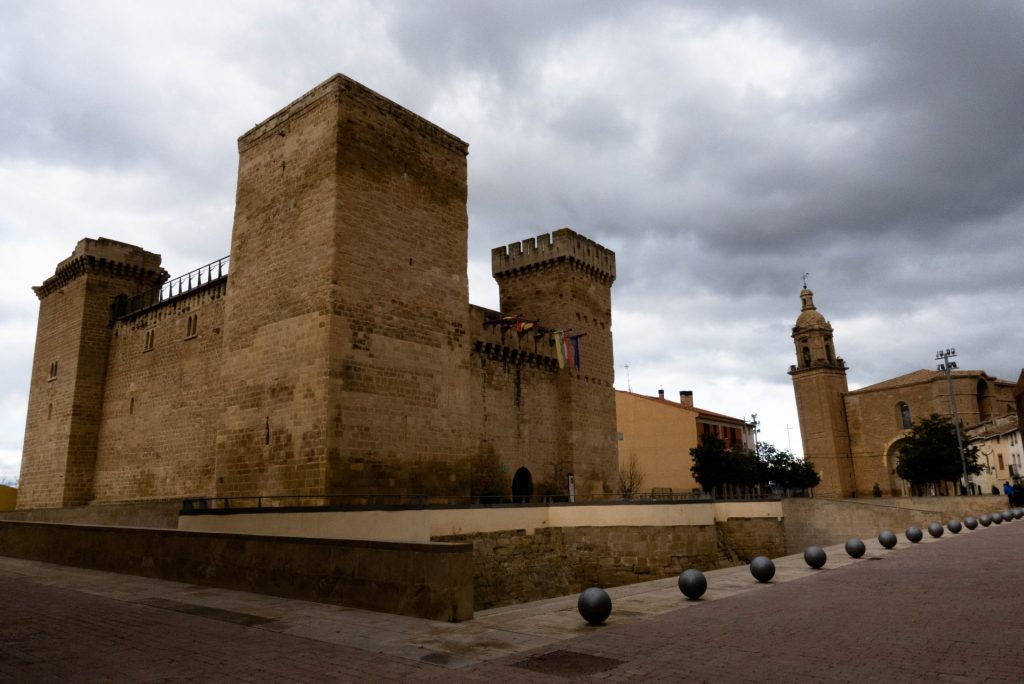
The castle of Aguas Mansas is a medieval fortress built between the 13th and 14th centuries.

You can visit perfectly refurbished and is currently used as the town hall and local library. You can visit visit respecting the above-mentioned rooms during normal opening hours.

Roman Bridge of Agoncillo

While you visit the castle of Agoncillo, the best preserved in the area, you can also visit the castle to the south of the town and bordering Murillo de Río Leza, the ruins of what used to be a Roman bridge of eight eyes on the river Leza.

1.3. Castillo de Nalda

The castle of Nalda dates back to the Middle Ages, with the remains of the 12th century.

A few centuries earlier, in the years 882 and 859, what are known as the battles of AlbeldaThe first was a victory for the Muslims led by Musa ibn Musa and the second for the Christians led by García Íñiguez de Pamplona.

At present, there is a viewpoint in what are the ruins of the castle on a hill.

1.4. Castillo de Robres del Castillo

Of the old fortress of Robres del Castillo, only a few ruins remain. ruins on a hill in front of the village dating from 1480.

In the vicinity of the village there are several abandoned villages such as Dehesillas, Buzarra, Olivan or Valtrujal.

1.5. Castillo de Jubera

Jubera Castle has Muslim origin It was built between the 8th and 10th centuries, with pre-Roman remains found inside and most of its construction dating from after the 12th century.

Once again we are faced with a fortress of which only a few walls remain standing.

En este post puedes descubrir todos los castillos y fortalezas de La Rioja.

2. MOLINO DE VIENTO DE OCÓN

Valle de Ocón Molino

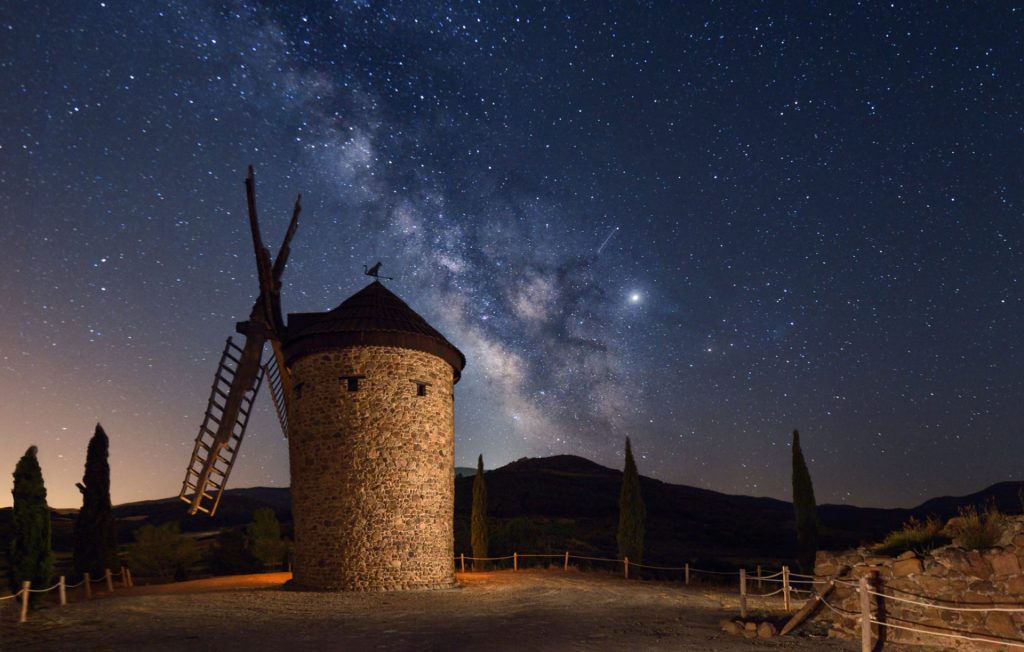
The Ocón mill is located in the Ocón Valley and is a replica of the original mill that was located in the same place and of which the ruins can be seen.

It consists of a cylindrical tower 6 metres in diameter, with the wall being 1 metre thick, leaving an interior of 4 metres in diameter.

It is a windmill for grinding wheat similar to those seen by Don Quixote in La Mancha.

3. YACIMIENTO DE PARPALINAS

Yacimiento Parpalinas

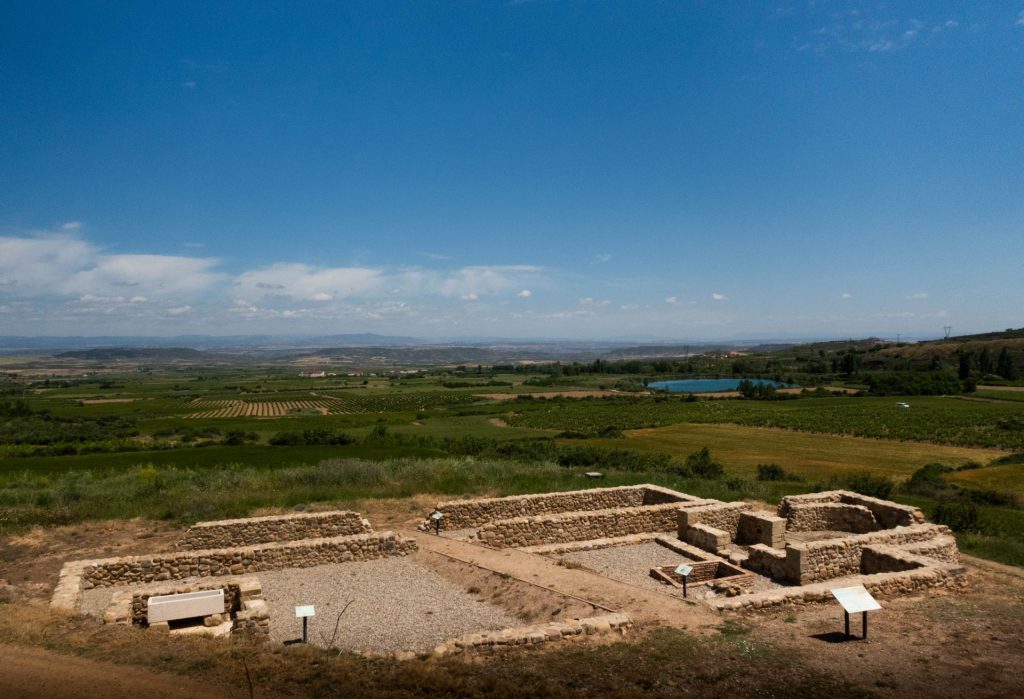
The rehabilitation of the church complex of Parpalinas, which gives its name to one of the six villages of Ocón (Pipaona de Ocón), is of great historical and cultural significance for La Rioja.

This is due to the fact that San Millán de la Cogolla moved to this place around the middle of the 6th century AD, as is documented by the study of the Life of San Millánwritten by Bishop Braulio of Saragossa in the 7th century and by the archaeological excavations carried out between 2005 and 2008. The latter have brought to light the remains of two superimposed temples.

The oldest one already existed when San Millán arrived in Parpalinas, requested by the landowner Honorio, owner of the village of Parpalinas, to make a exorcism in their own home. Undoubtedly this was the temple he visited and where he would perform prayers and liturgies together with the local priests who accompanied him during his stay.

This church was dismantled a few decades after San Millán's visit and replaced by another, considerably larger one, characterised by its circular apse and by the fact that it housed in its nave a baptismal pool and a mausoleum for the members of the family that owned Parpalinas. This temple disappeared around the 10th/11th centuries and its site became a cemetery during the Middle Ages. In the latter period, a small building was erected over the apse area, which served as a place of worship.

The intervention carried out was aimed at the consolidation and protection of the preserved material remains, and at the development of a simple museumisation of the site which makes it possible to correctly interpret the late antique church buildings and their historical development.

The Church of Papalinas is part of an archaeological site which also contains the Senator Honorio's HouseLord of the village of Parpalinas.

Cuzcurrita de Río Tirón
San Vicente de la Sonsierra

4. YACIMIENTOS ICNITAS EN LA RIOJA

In La Rioja there are several places where these can be seen dinosaur footprints belonging to the period of the Lower Cretaceous. This is because at that time this was a muddy area which, over millions of years and being covered by other sediments, eventually solidified into rocks.

In La Rioja Media you can see these sites at San Vicente de Robres with more than 160 footprints and also in Santa Engracia. Access in both cases is difficult.

5. RUINAS DEL MONASTERIO DE SAN MARTÍN DE ALBELDA

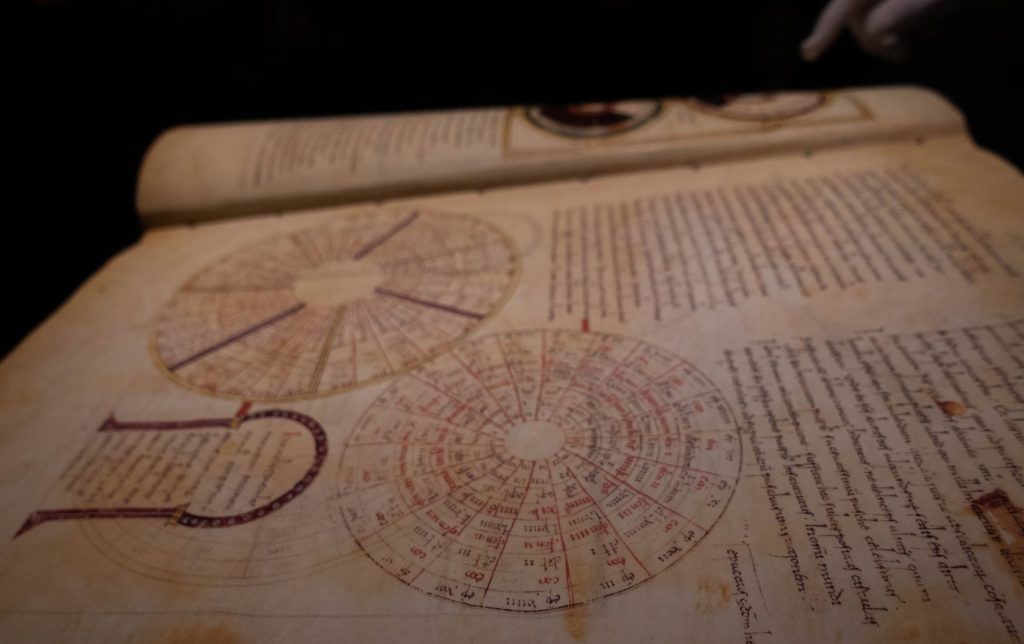
Códice Albeldense

From Albelda de Iregua you can see the ruins of what used to be the Monastery of San Martín de Albelda founded in the 10th century by King Sancho Garcés I of Pamplona and his wife Toda.

En 950 se decía que eran doscientos los monjes que vivían en el monasterio, siendo registrado este mismo año el primer peregrino jacobeo conocido de la historia. 

Allí se escribió el códice albeldense de belleza y valor incalculable terminado en el año 976.

Se cree que el monasterio gozaba de una gran biblioteca siendo un punto importante de conocimiento.

6. RESERVA DE LA BIOSFERA STARTLIGHT - LA LUZ DE LAS ESTRELLAS

Several Riojan municipalities in the Leza, Jubera, Cidacos and Alhama valleys due to their geographical, climatic and landscape homogeneity of high environmental value, they have been declared by the UNESCO World Biosphere Reserve.

Part of this area is located in La Rioja Media Rural and it is an ideal place for the astrotourism. In 2012, it became the first natural area in Spain to receive certification as a Starlight Tourist Destination.

Some of the most suitable places for this practice are El Molino de Ocón, the village of Zenzano or Robres del Castillo.

7. CAMINO DE SANTIAGO Y CAMINO IGNACIANO A SU PASO POR LA RIOJA MEDIA

Through La Rioja passes the The French Way of Saint James listed as a World Heritage Site in 1993.

The pilgrimage route of Saint Ignatius of Loyola, known as the "Camino de peregrinación de San Ignacio de Loyola", also runs through La Rioja Media. Ignatian Way.

7.1. Camino de Santiago Francés

The French Route enters La Rioja through Logroño coming from Navarre.

From Logroño arrives in Navarrete and passes through Ventosa to head towards Nájera, entering La Rioja Alta.

7.2. Camino Ignaciano

St. Ignatius of Loyola begins in the year 1521 his pilgrimage route to Jerusalem from his home town Azpeitiain Guipúzcoa, and touring the peninsula. to Manresa. The same road that you can travel today and which passes through the lands of La Rioja.

The Ignatian Way enters La Rioja through Fuenmayor and continues its course through Navarrete, Logroño, Agoncillo, Arrúbal and Alcanadre, from where it passes into La Rioja Baja.

Hotels | rural houses | restaurants | wine cellars | in la rioja media 

Zone
Zone
Service
Service
Santo Domingo de la Calzada
Ollauri
Cuzcurrita de Río Tirón
Ollauri
Cuzcurrita de Río Tirón
San Vicente de la Sonsierra
San Asensio

Recibe GRATIS la NEWSLETTER semanal y descarga la hoja de ruta para planificar tu escapada

RESPONSIBLEDiana Rebollar.
PURPOSE: send you my new contents and what I see that may be of interest to you (No SPAM)
LEGITIMACY: your consent (that you agree)
TARGETThe data you provide to me will be located on the servers of MailChimp (lariojapremium.com's email marketing provider) outside the EU in the USA. MailChimp is covered by the EU-US Privacy Shield agreement, approved by the European Data Protection Committee.
RIGHTSYou have the right, among others, to access, rectify, limit and delete your data.