
Visiting La Rioja is always a great option. However, when we arrive at a place for the first time we like to soak up its essence and visit the most representative sites that help us to understand their history and way of life over time.
A mission that is not always easy, as we often make the mistake of wanting to visit more places than recommended for the time we have.
So the purpose of this article is to help you in this task and to collect top 10 places to see in La Rioja that will allow you to reach the most authentic corners of this region.
And for regular visitors to La Rioja... Do you have any of these places left to visit?
- 1. Tapas in Logroño at La Calle Laurel
- 2. Monasteries of Yuso and Suso in San Millán de la Cogolla
- 3. Cultural landscape of wine and vineyards in autumn from La Rioja Alta
- 4. The San Lorenzo Peak in Ezcaray
- 5. Monastery of Santa María La Real in Nájera
- 6. La Cueva de los Cien pilares en Arnedo
- 7. The Sierra Cebollera, the natural park of La Rioja
- 8. Ichnite Sites in the La Rioja Mountains
- 9. Nature Reserve of the Sotos del Ebro in Alfaro
- 10. Contrebia Leucade un fascinante yacimiento celtíbero en La Rioja
1. Tapas in Logroño at La Calle Laurel

Enjoying the gastronomy and Rioja wines is a must for anyone visiting La Rioja.
And for that, the most characteristic place in the whole region is La Calle Laurel in Logroño. It is a tapas area con decenas de locales donde disfrutar de las mejores tapas que te puedas imaginar acompañadas de un buen Rioja.
La Laurel is the place where tourists, travellers and Riojans meet and socialise while enjoy the delicacies of the earth.
No te pierdas Tastavín en la calle San Juan y si prefieres algo más dulce visita Papín en Travesía San Juan.


2. Monasteries of Yuso and Suso in San Millán de la Cogolla
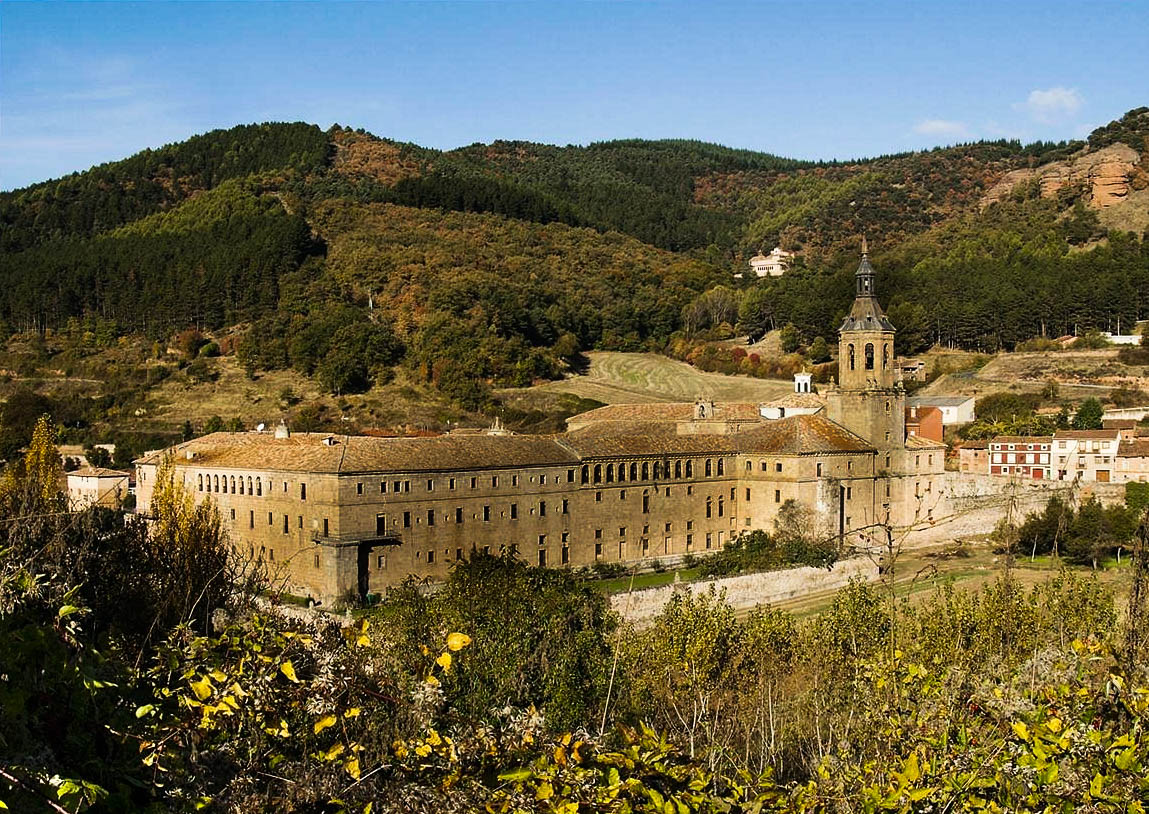
The Monasteries of Suso and Yuso have been declared World Heritage by UNESCO in 1997, for historical, artistic, religious, linguistic and literary reasons.
The Monastery of Suso is the older of the two, built at the end of the 6th century from the cave where the the hermit Saint Millan died in 574.
It was in this monastery where a monk wrote the Emilian GlossesThe first annotations in the margins of the pages are written in Latin. These annotations were written in the Romance language and the first annotations written in Basque also appear, which is why they are considered to be in the Basque language. cradle of Castilian and Basque.
Gonzalo de Berceo, the first poet to be known in Castilian, also lived in this monastery.
In the "portaliello" of the Monastery of Suso, you can also find the sarcophagi of the Seven Infantes de Lara.
For its part, the Monastery of Yuso The larger one was ordered to be built in 1053 by King García Sánchez III of Navarre "the one from Nájera" when the oxen carrying the remains of San Millán refused to move on.
The present-day monastery of Yuso was built between the 16th and 18th centuries.
This conjunto de monasterios es sin duda uno de los principales lugares que ver en La Rioja.



3. Cultural landscape of wine and vineyards in autumn from La Rioja Alta

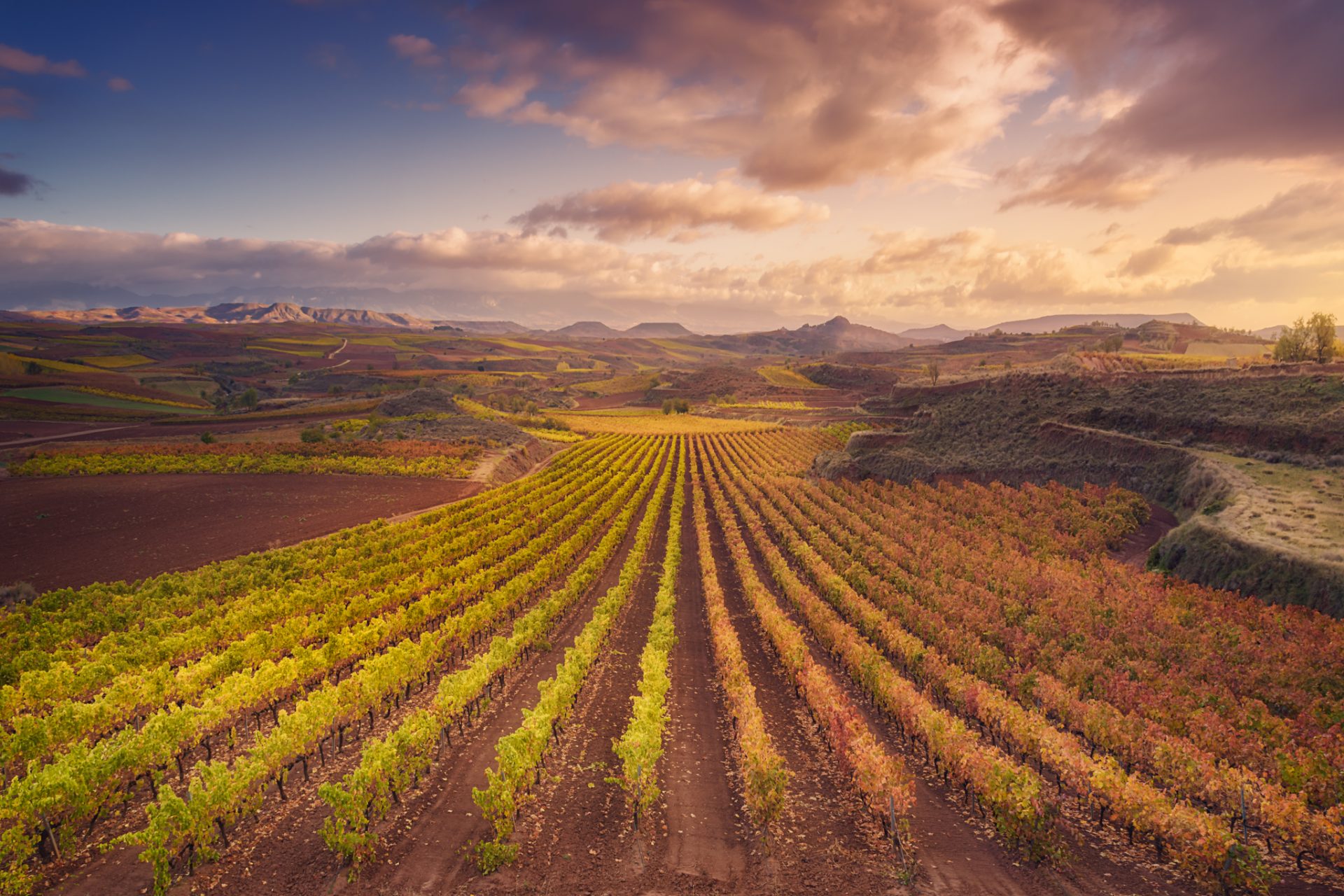
The typical Riojan landscape consists of a sea of vineyards which cover the entire Ebro valley and from which the Rioja Qualified Designation of Origin wine is born.
This breathtaking landscape at any time of the year is full of colours in the middle of autumn when the leaves of the vines change colour and merge with the rest of the landscape: trees, poplar groves, crops... creating a unique canvas that you will never tire of looking at.
It is at this time of the year, after the harvestwhen the leaves of black grape vines turn reddish, while the leaves of white grape vines turn yellow.
Todo un espectáculo anual para ver en La Rioja no te querrás perder.

4. The San Lorenzo Peak in Ezcaray
The Peak San Lorenzo es el más alto de toda región desde el que ver La Rioja a 2.271 msnm, el cual a su vez puede verse al fondo desde cualquier punto de La Rioja Alta.
To reach the top of this peak you can do so by undertaking a circular route of 8 km. from the ski resort car park which can be found at the foot of the hill, or if you prefer something lighter from the pass of the Tres Fuentes on a linear route of 4.5 km in total.
To get to the peak you have to go from the town of Ezcaray, which has one of the most important sets of popular architecture most interesting of La Rioja.
5. Monastery of Santa María La Real in Nájera
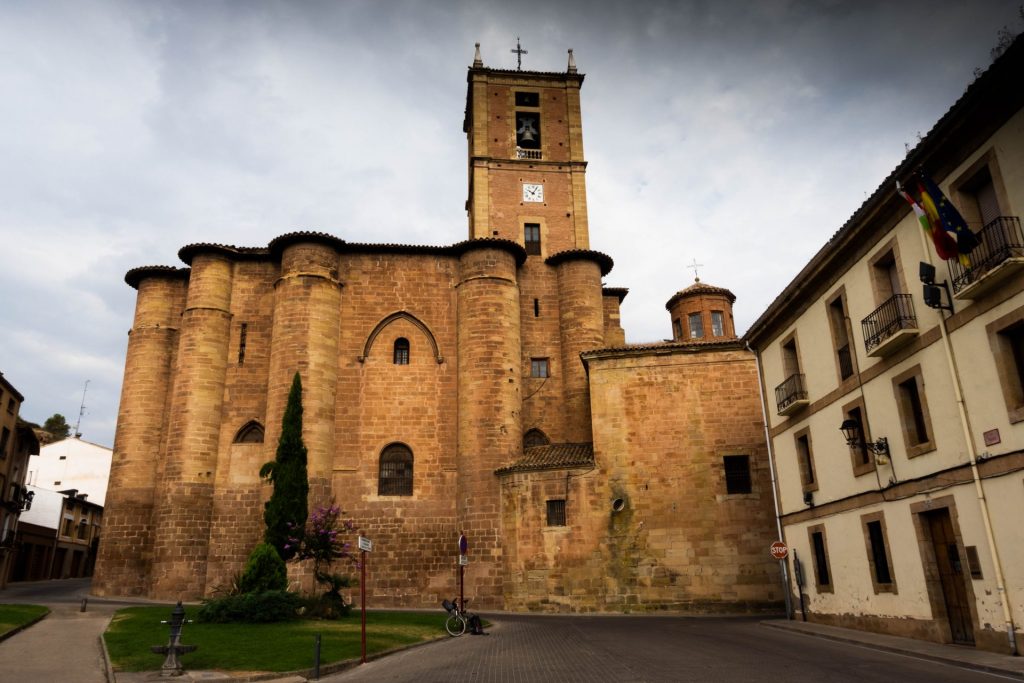
Historically, the Monastery of Santa María La Real of Nájera is, together with the monasteries of Yuso and Suso de San Millán de la Cogolla, the most important in the whole region, since Nájera was the capital of the Kingdom of Nájera between 923 and 1113. It was the cradle of the Kingdoms of Navarre, Aragon and Castile.
In 1044, the King of Navarre, García Sánchez III, while hunting for falconry, found a small chapel with the Virgin, a bouquet of lilies, a lamp and a bell. Due to the triumphs in successive wars, he ordered the construction of a new chapel. the primitive temple to the Virgin of the Cave which opens in 1052.
The present church was built between 1422 and 1453.
The cloister of the knights was built between 1517 and 1528.
The list of historical figures buried in the monastery more than thirty, most of them belonging to royalty.
6. La Cueva de los Cien pilares en Arnedo

La Cueva de los Cien Pilares de Arnedo es en la actualidad el mayor atractivo turístico de la localidad por tener grandísimo valor as a Rock Heritage Site.
It is located in the Cerro San Miguel y se cree que fue la ubicación del old monastery de San Miguel referred to in the will of Sancho Fortún, Lord of Arnedo, in the year 1063.
La visita guiada sale desde la oficina de turismo de Arnedo y tiene un precio de 7€, conviene reservar con tiempo.
La visita comienza con una breve explicación de la iglesia de Santo Tomás Apóstol para continuar caminando hasta La Cueva de los Cien Pilares.
La primera cueva en visitar es el Centro de Interpretación Etnográfico de la Vida en las Cuevas donde podrás descubrir la historia de estas curiosas construcciones utilizadas como vivienda y para fines económicos donde más de 200 familias vivían hasta mediados del siglo XX.
A continuación, se accede a través de una escalera de caracol a lo que sería el antiguo monasterio de San Miguel.
Una visita que no te dejará indiferente.
7. The Sierra Cebollera, the natural park of La Rioja

The Cebollera mountain range is the only natural area in La Rioja that has been awarded the distinction of natural park. It is a landscape that has recovered, after centuries of intense transhumance activity, extensive natural forests of Scots pine, beech and oak, with outstanding ecological and scenic values in the course of mountain streams, with waterfalls and small waterfalls in a setting of riverside woodland.
El parque natural tiene una extensión de 23.640 hectáreas, pero si tenemos en cuenta toda la extensión que comprende la Sierra de Cebollera, su superficie es de 106.934 hectáreas.
The Sierra de Cebollera is a privileged geological enclave within the Iberian System, due to the glacial formations, the "pits", at altitudes above 2,000 metres, such as the peak of Peña Cebollera.
Una visita obligada para ver en La Rioja y disfrutar de la naturaleza más salvaje.
In Villoslada de Cameros, you will find the Interpretation Centre of the natural park.


8. Ichnite Sites in the La Rioja Mountains
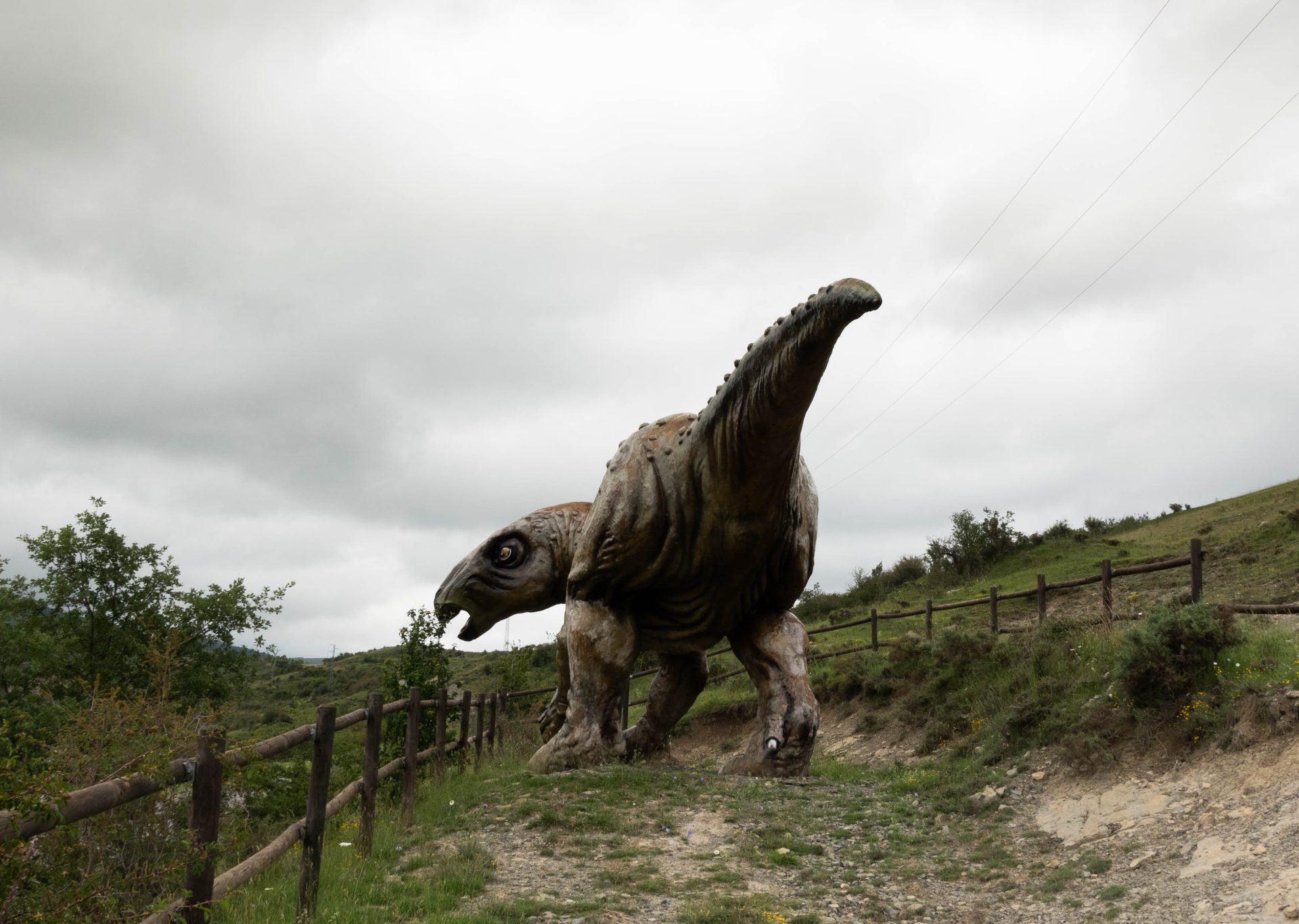
En La Rioja existen varios lugares en los que se pueden divisar hasta 10.000 dinosaur footprints pertenecientes a los periodos de Jurásico Superior (150 millones de años) y Cretácico Inferior (100 millones de años).
Esto se debe a que en aquel tiempo esta zona de La Rioja era una región fangosa que con el paso de millones de años y siendo cubiertas por otros sedimentos se acabaron solidificando en rocas.
In the mountains of La Rioja you can see these sites at Ajamil de Cameros, Hornillos de Cameros, Muro en Cameros, Soto en Cameros, Terroba, Aguilar de río Alhama, Cervera de río Alhama, Cornago and Igea..
Being in Igea on Paleontological Interpretation Centre of La Rioja y en Enciso El Barranco Perdido, un parque multiaventura con museo de temática paleontológica, y la Ruta de los Dinosaurios con 6km de recorrido a las afueras del pueblo.
9. Nature Reserve of the Sotos del Ebro in Alfaro
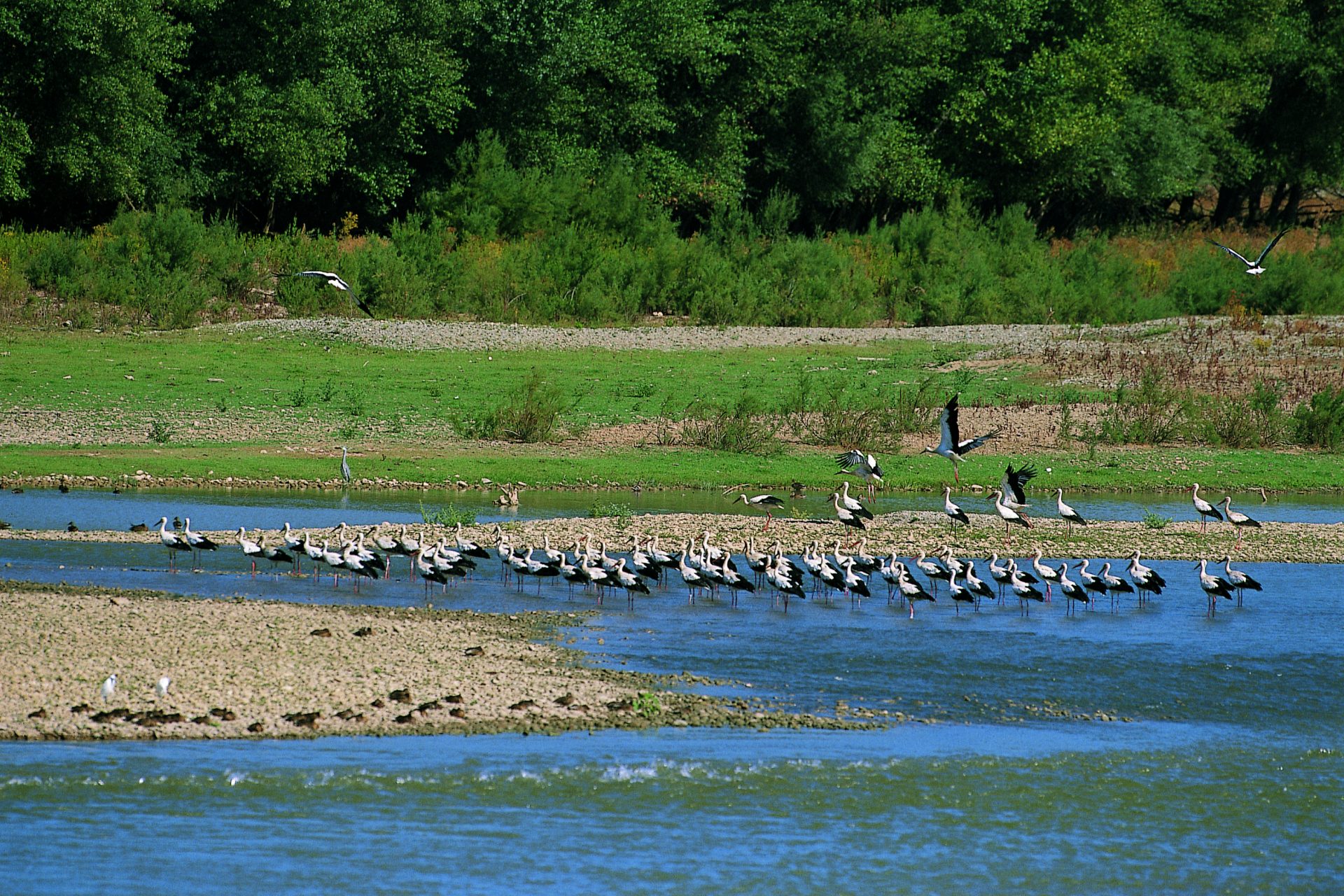
The Sotos de Alfaro are a privileged natural ecosystem from riverine forests poplars, poplars, willows, ashes and alders, and birds The stork predominates, but you can also see herons, cormorants, blackbirds, blackbirds, kites, hoopoes and kingfishers.
The Ebro River runs through this area creating meanders, islands and beaches from which to observe all the beauty of the place.
You can enjoy these spots by exploring their nooks and crannies and relaxing in their recreational area.
Si quieres disfrutar de la gastronomía de la zona visita Casa Javi en Rincón de Soto.


10. Contrebia Leucade un fascinante yacimiento celtíbero en La Rioja
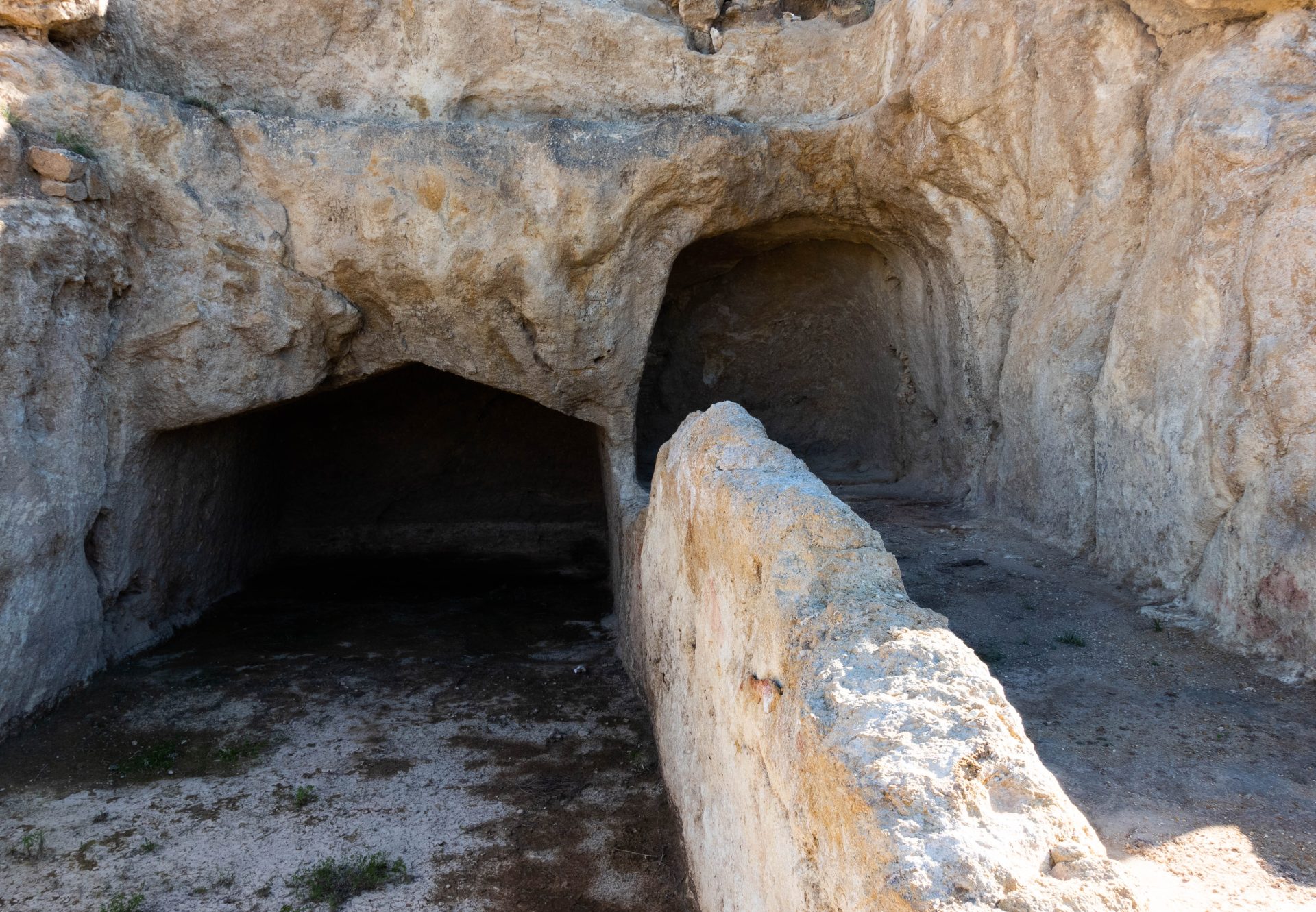
Contrebia Leucade es una ciudad celtíbera del siglo III a.C. que ha llegado a nuestros días en un excepcional estado de conservación siendo one of the most important sites on the Peninsula.
Se trata de un yacimiento celtíbero con gran valor histórico ya que debido a su situación geográfica estratégica ha sido used for two thousand years by different cultures.
En Aguilar de Río Alhama se encuentra el Centro de Interpretación de Contrebia Leucade donde comienza la vista adentrándote en la forma de vida de sus gentes hace más de 2000 años de una forma original, divertida y diferente.
A 2.5 km del pueblo de Aguilar se encuentra el yacimiento donde debes desplazarte en tu propio vehículo para continuar la visita in situ.
—
These 10 places to see in La Rioja give you a global vision of this land and will make you enjoy all its gastronomic, cultural, historical and natural richness.
Crear tu propia Hoja de Ruta para visitar La Rioja de forma gratuita suscribiéndote a nuestra newsletter.